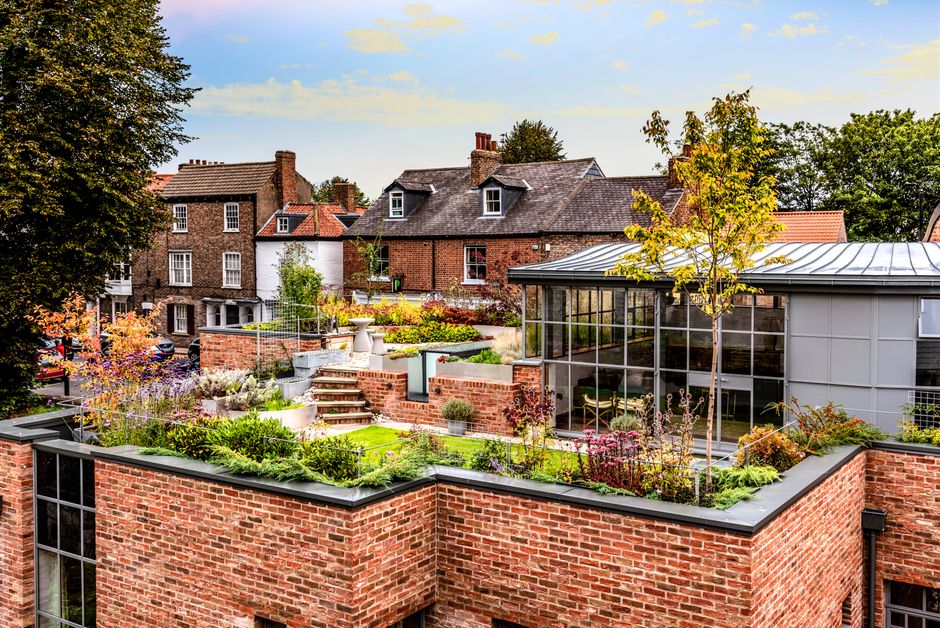
SE19 Terrace Garden Redesign Cost Guide for Gardeners
If you are thinking about refreshing a terrace garden in SE19, the first question is usually the same: what is this actually going to cost? A terrace can look simple from the street, but once you start talking about access, materials, planting, drainage, storage, and getting everything up or down stairs, the numbers can shift quickly. This SE19 terrace garden redesign cost guide for gardeners is here to make that feel a lot less fuzzy.
Whether your terrace is a compact Crystal Palace courtyard, a sun-baked roof edge, or a narrow outdoor space that needs a complete rethink, the real job is balancing budget with long-term usability. You want something attractive, sure, but also something that works in wind, shade, and the occasional British downpour. Let's face it, a pretty garden that falls apart after one winter is no bargain at all.
Below, you will find a practical breakdown of what affects cost, how redesign projects are usually priced, where to save money without cutting corners, and what a good gardener should be considering before any spade hits the soil.
Why SE19 Terrace Garden Redesign Cost Guide for Gardeners Matters
Terrace gardens are brilliant, but they are rarely straightforward. In SE19, many outdoor spaces are elevated, narrow, or partly enclosed by walls and fencing, which means the redesign is often less about "just planting a few things" and more about solving practical problems. The cost guide matters because it helps you see the hidden work behind a polished result.
A budget for a terrace redesign can include design time, clearance, waste removal, new planting, soil or compost, containers, decking, paving, lighting, and labour. On a small space, people sometimes assume the price will be small too. Sometimes it is. Often, it is not. The trick is knowing which parts actually drive the price and which parts can be phased.
In our experience, the projects that go best are the ones where the owner has already thought about use. Do you want a quiet reading spot? Space for pots and herbs? A family-friendly surface that is easy to clean? The answer changes the layout, the materials, and the budget. And yes, that budget may need a bit of breathing room.
There is also a local relevance piece here. SE19 gardens can be affected by shade from buildings, wind tunnels between properties, and access constraints that make materials handling slower. That affects labour. It also affects what will survive over time. A good redesign cost guide helps you plan for the garden you actually have, not the one in your head on a sunny afternoon in May.
How SE19 Terrace Garden Redesign Cost Guide for Gardeners Works
At its simplest, terrace garden redesign pricing is usually built from three buckets: planning, materials, and labour. A gardener or landscaper looks at the site, discusses your goals, checks access, and then estimates the time and materials needed to deliver the result.
Some jobs are light-touch. You may only need new pots, better planting, and a tidy layout. Others are more involved and may include old surface removal, structural repairs, raised beds, new sleepers, a decking refresh, or a full reconfiguration of levels. Once you add disposal and access time, the job can move from "weekend tidy" to "full project".
A useful way to think about it is this: the more a redesign changes the bones of the space, the more it tends to cost. Simple styling and planting are usually cheaper than new hard landscaping. That is not a criticism of either approach, just reality.
If you are comparing estimates, check whether each one includes:
- site visit and measured assessment
- clearing and disposal of old materials
- plants, soil, mulch, and containers
- hard landscaping items such as decking or paving
- labour for preparation, installation, and finishing
- aftercare or maintenance guidance
One small but important point: if a terrace needs ongoing upkeep after the redesign, think about the maintenance cost now rather than later. A lovely design that needs weekly fussing can become tiring fast. Some people enjoy that; many do not. Be honest with yourself.
Key Benefits and Practical Advantages
A well-planned terrace redesign gives you more than a nicer view from the kitchen window. It can make the space feel larger, easier to use, and much less awkward to maintain. That matters on compact SE19 terraces, where every square metre has to earn its keep.
- Better use of space: Good layout design can create zones for seating, planting, storage, and movement without making the terrace feel cramped.
- Lower long-term upkeep: The right materials and planting choices can reduce the amount of watering, pruning, and sweeping you need to do.
- Improved weather resilience: Stronger structures, better drainage, and suitable plants help the garden hold up through wet, windy, and hot spells.
- More predictable spending: A clear cost plan reduces the chance of surprise extras halfway through the job.
- Better property presentation: A tidy, well-balanced terrace can lift the whole feel of a home, even if the space is small.
There is also a quieter benefit: confidence. When the plan makes sense, you stop second-guessing every purchase. You know why the budget is going where it is. That feels good, honestly.
If you want a broader sense of how redesign links to wider outdoor improvement work, it can help to review the services overview and see how terrace projects sit alongside other garden services.
Who This Is For and When It Makes Sense
This guide is for homeowners, landlords, and busy gardeners who want a terrace garden to work harder without wasting money. It is especially useful if you are staring at a tired outdoor space and thinking, "Right, this needs sorting out properly."
A redesign makes sense when:
- the terrace is cluttered or poorly laid out
- old planters, surfaces, or features are damaged
- you want a more modern, low-maintenance look
- plants are failing because of shade, wind, or drainage issues
- the current layout makes the space awkward to use
- you are preparing the property for sale or rental presentation
It also makes sense if you have already spent money on random fixes. We have all seen it: a few pots here, a bit of gravel there, one bench squeezed into a corner, and somehow the garden still feels unfinished. A redesign can stop the patchwork approach and give the space proper direction.
For people who already know they need stronger structural work, it can be helpful to look at broader landscaping support or more detailed landscape gardening advice, especially if the project involves both hard and soft elements.
Step-by-Step Guidance
The best way to control cost is to work in sequence. If you skip the order, you risk paying to redo things later. That is the bit nobody enjoys.
1. Start with a proper site assessment
Measure the terrace, note access routes, check sunlight at different times of day, and look for standing water, cracked paving, or weak boundaries. A redesign starts with what is already there, not with the shopping list.
2. Decide the main job of the space
Ask yourself what the terrace needs to do most often. Seating? Plant display? Privacy? Storage? Family use? A space for entertaining? One clear purpose keeps the design from becoming expensive and muddled.
3. Strip out what is no longer useful
Old compost, broken pots, overgrown shrubs, and damaged timber all add up. Clearing the space properly is often a bigger job than people expect, especially if access is tight. If the terrace has accumulated a lot of clutter over the years, a dedicated garden clearance service may be the sensible starting point.
4. Choose the surfaces and structure first
Surfaces shape the whole budget. Decking, paving, gravel, and modular systems all have different price points and maintenance needs. If the design includes raised beds or timber features, confirm the timber quality and expected lifespan before you commit.
5. Plan the planting second
After the structure is set, select plants that suit the light, wind exposure, and watering routine. On terraces, container planting often works better than free-draining border assumptions from a traditional garden. Tougher, drought-tolerant choices are often safer than delicate "looks great in the nursery" buys.
6. Build in access and aftercare
Ask how materials will be brought in and waste removed. Then ask what maintenance the new design will need in the first month and the first year. That is where the real-life cost sits.
7. Review the quote line by line
Check whether labour, waste, materials, plant sourcing, and finishing touches are clearly separated. A tidy quote is not just admin. It helps you compare like with like.
Expert Tips for Better Results
Small terrace projects can go sideways when every decision is made on appearance alone. A design that looks amazing in a photo may be a pain in the neck in real weather. So, a few practical tips.
- Prioritise the "big fixed items" first. Surfaces, planters, drainage, and seating frames should be decided before you get too excited about accessories.
- Use repetition to calm the space. Repeating one or two plant types can make a terrace feel ordered, which often looks more premium than lots of different varieties scattered about.
- Keep heavy elements where structure is strongest. Raised beds and large planters can add serious weight. On upper terraces, that matters.
- Budget for 10 to 15% flexibility. Not as a rule, just a sensible cushion. Access delays, extra disposal, or last-minute repairs happen.
- Think maintenance from day one. If you do not enjoy pruning, choose lower-input planting and simple finishes.
A little secret from the practical side of gardening: the nicest terraces are often the simplest ones. A couple of strong materials, good planting, and clear lines. Nothing shouting at you. Lovely.
If ongoing care matters as much as the redesign itself, you may want to combine the project with garden maintenance so the new layout stays in good shape after installation.
Common Mistakes to Avoid
Some mistakes are cosmetic. Others cost real money. The costly ones are the ones to watch.
- Ignoring access issues: If materials have to be carried through a house, up steps, or around tight corners, labour time increases quickly.
- Choosing plants before the layout: Pretty plants are not a plan. Layout comes first, then planting.
- Underestimating weight: Especially on roof terraces or raised structures, heavy planters and aggregates need careful thought.
- Mixing too many styles: A bit of this, a bit of that, and suddenly the terrace feels restless and more expensive than it needed to be.
- Skipping drainage planning: Water that sits where it should not will shorten the life of surfaces and planting.
- Not asking what is excluded: Quotes can look comparable until you realise one includes disposal and the other does not. Annoying, but common.
Truth be told, the fastest way to overpay is to rush the brief. Give the gardener a clear idea of what matters most and what can be phased later. That one move saves a lot of back-and-forth.
Tools, Resources and Recommendations
You do not need a van full of specialist kit to plan a terrace redesign, but a few simple tools make the process much easier. A tape measure, notebook, phone camera, and a basic sketch of the space can go a long way. Even a rough plan on paper is better than trying to explain the layout from memory.
Useful things to gather before requesting prices:
- photos of the terrace from several angles
- rough measurements of the space
- notes on sun, shade, and wind exposure
- a list of must-haves and nice-to-haves
- examples of finishes or planting styles you like
- your rough budget range, even if it is flexible
If you are comparing services, it can help to understand the difference between a design-led project and a more practical tidy-up. For example, a designer might focus on structure and layout, while a maintenance-led approach may focus on keeping the garden manageable over time. Both matter, just in different ways. A good starting point is often a conversation with a local team and a clear look at pricing and quotes.
Also, if the terrace design is part of a broader property refresh, you may want to check the company's about us page so you understand the background and approach before booking.
Law, Compliance, Standards, or Best Practice
Terrace garden redesigns are not usually the kind of job that needs lots of red tape, but there are still sensible standards and duties to keep in mind. The exact requirements can vary depending on the property type, access arrangement, and whether the space is shared, elevated, or part of a managed building.
Good practice generally includes:
- Checking structural limits: Heavy planters, paving, soil, and water can add a surprising load. If there is any doubt about capacity, it is wise to have it checked properly.
- Using safe working methods: Garden work involving ladders, lifting, cutting, or power tools should be done with care. A professional team should have clear safety procedures.
- Handling waste responsibly: Green waste, broken timber, and old materials should be removed and disposed of properly.
- Respecting shared access and neighbours: Noise, dust, and blocking passageways are small things until they become everyone's problem.
- Being clear on ownership and permissions: If the terrace is part of a leasehold, flat, or shared building, check what you are allowed to alter before work begins.
It is also sensible to work with a provider that can explain insurance, safety, and payment expectations clearly. That is not a luxury. It is basic professionalism. If you want to review those points in advance, see the pages on insurance and safety and health and safety policy.
For households that care about how waste and materials are handled, a service with a clear recycling and sustainability approach may be a better fit too. Small choices. They add up.
Options, Methods, or Comparison Table
Different terrace redesign methods suit different budgets. Here is a simple comparison to help you think about the trade-offs.
| Approach | Typical Scope | Budget Pressure | Maintenance Level | Best For |
|---|---|---|---|---|
| Light refresh | New pots, planting, tidy layout, minor clearance | Lower | Low to medium | People who want a quicker visual lift |
| Functional redesign | Reworked layout, new planters, updated surfaces, improved drainage | Medium | Medium | Owners who want better everyday use |
| Full terrace transformation | Major clearance, hard landscaping, decking or paving, custom features, detailed planting plan | Higher | Medium to higher depending on finishes | Spaces that need a complete reset |
There is no "best" option for everyone. A compact terrace that is already structurally sound may only need a light refresh. A tired space with poor access, damaged finishes, and awkward levels may justify a full transformation. The key is matching ambition to reality. That sounds obvious, but it saves a lot of money.
If hard surfaces are part of your plan, you may also want to compare whether decking services or a different surface route would be more cost-effective over time. Decking can look warm and smart, but it is not always the cheapest or easiest to maintain.
Case Study or Real-World Example
Here is a realistic terrace scenario. A SE19 homeowner has a narrow outdoor space that has become a bit of a dumping ground: two cracked planters, tired compost, a wonky bench, and a patchwork of pots that no longer match. The terrace gets some morning sun, but one side is shaded by a wall and the area can feel windy.
The initial wish list is simple: make it look calmer, create room to sit, and stop it from feeling like work every weekend. After a site visit, the gardener suggests a phased redesign. First, clear the old materials and remove anything beyond repair. Second, define a clean central circulation line. Third, install a more durable surface where the seating goes. Fourth, use a handful of resilient plants in grouped containers rather than many small pots scattered around.
The homeowner keeps one of the original benches, but the rest is stripped back. The result is not flashy. It is better than flashy. It works. You can hear the space in a different way now: less clatter, fewer random items, more room to breathe. That is often what people really want, even if they do not say it that way at first.
In this kind of project, the biggest cost savings came from avoiding unnecessary replacement. A lot of garden redesigns do not need everything new. They need a better plan, a firmer structure, and fewer distractions. Simple, but not easy.
Practical Checklist
Use this checklist before you approve a terrace redesign quote:
- Measure the terrace and note access points
- List your top three goals for the space
- Decide what should stay and what should go
- Ask for clear separation of labour and materials
- Confirm whether waste removal is included
- Check if the quote covers drainage or surface preparation
- Think about long-term maintenance, not just first-day appearance
- Review weight and structural concerns if the terrace is elevated
- Ask how planting will cope with sun, shade, and wind
- Make sure the design still leaves room to move comfortably
- Confirm timing, payment terms, and what happens if a site issue appears
- Keep a small contingency in the budget
Quick expert summary: the best terrace redesigns are the ones that reduce friction. Less clutter. Better flow. Smarter materials. Planting that can actually cope with the conditions. If a plan ticks those boxes, you are probably on the right track.
Get a free quote today and see how much you can save.
Conclusion
A terrace garden redesign in SE19 does not have to be a guessing game. Once you understand what shapes the cost - access, materials, labour, planting, drainage, and the level of transformation you want - it becomes much easier to choose wisely and avoid waste.
The strongest projects are usually the ones with a clear purpose, a realistic budget, and a design that respects the space rather than fighting it. A small terrace can be transformed beautifully without throwing money at it. And a larger one can be made far more useful with careful planning and steady execution.
If you are at the point where the garden feels like it needs a proper rethink, that is a good place to start. Take measurements, gather a few photos, note what frustrates you, and build from there. Little by little, the space becomes yours again. That's the good bit.
Frequently Asked Questions
How much does a SE19 terrace garden redesign usually cost?
It depends on the amount of clearance, the materials chosen, and whether the project is a light refresh or a full redesign. Compact terraces can be relatively modest to update, but access, disposal, and hard landscaping can quickly increase the total.
What makes terrace garden redesigns more expensive than simple garden tidying?
Terraces often involve tighter access, more lifting, more materials handling, and sometimes more structural caution. When features like decking, paving, or raised beds are added, labour and material costs usually rise too.
Can I redesign a terrace garden in phases?
Yes, and often that is the smartest route. Many people start with clearance and layout, then add planting and finishing touches later. Phasing can help spread the spend without losing the overall plan.
Is decking a good option for a terrace garden?
It can be, especially if you want a warmer, more defined seating area. But it is not always the cheapest option, and it needs proper installation and maintenance. It is worth comparing surface choices before committing.
How do I know if my terrace can take heavy planters or paving?
If you are unsure, do not guess. Heavy materials add load, and elevated spaces deserve careful checking. A professional should flag any structural concerns before work begins.
What should be included in a terrace redesign quote?
Ideally, the quote should clearly cover labour, materials, waste removal, preparation, installation, and any finishing work. If anything is not included, it should be stated plainly so there are no surprises later.
Do I need ongoing maintenance after a terrace redesign?
Usually, yes, though the amount varies. A low-maintenance design should still need watering, seasonal checks, and the odd tidy-up. If upkeep matters, ask for planting and materials that suit your time available.
What plants work best on a SE19 terrace?
Plants that cope well with wind, variable sun, and container growing are often the safest choice. The right selection depends on your terrace conditions, not just on what looks nice in a nursery.
How long does a terrace redesign take?
Smaller refreshes may be completed quickly, while full redesigns can take longer depending on access, materials, and weather. Lead times also depend on how much planning is needed before work starts.
Should I clear the terrace myself before getting quotes?
You can, but it is not essential. Some people like to do a first clear-out, while others prefer a full clearance service. If the space is heavily cluttered, a professional clearance can save time and hassle.
How do I compare gardeners fairly?
Compare the scope, not just the headline price. Look at what each quote includes, how detailed the plan is, and whether the gardener has addressed access, disposal, drainage, and aftercare.
When is the best time to redesign a terrace garden?
Many people plan redesigns before the growing season, but timing depends on the work involved. Structural jobs, clearance, and hard landscaping can be done outside peak planting moments, which sometimes helps with scheduling. The best time is when you can plan properly and avoid rushing.
If you are ready to move from ideas to action, speak with a local team that understands terrace spaces, practical budgeting, and the realities of working in compact London gardens. A good redesign should feel calmer, sturdier, and more useful from day one - and still feel right years later.