Gardening Services in Crystal Palace

Our gardening services in Crystal Palace cover practical, regular and one-off outdoor work for homes, landlords and managed properties. We focus on keeping gardens tidy, workable and clearly maintained, from routine garden maintenance through to heavier seasonal jobs that need more than a quick sweep-up. The service can be shaped around planting areas, lawns, borders, hedges and access paths, so the work matches the condition of the garden rather than forcing it into a fixed package.
For many customers, the value lies in having one team handle the different parts of a garden in a sensible order. A visit may combine mowing, edging, weeding, hedge work and general tidying, or it may be aimed at restoring an overgrown space so that later maintenance becomes easier. We keep the approach straightforward: assess the current state, agree the priorities, and carry out the work in a way that leaves the site safe, neat and ready for use.
If you need gardening services in Crystal Palace, start by setting out the size of the garden and the work you want completed. Request a quotation when you are ready and we can discuss the most suitable next step.
Routine garden maintenance and seasonal care

Routine maintenance is often the most efficient way to keep a garden from drifting into neglect. Our garden maintenance work can include mowing, strimming, border care, basic weeding and keeping edges defined so the outdoor space stays presentable between larger visits. The aim is not to overcomplicate the job, but to complete the essential tasks that help a garden remain orderly and usable through changing weather and growth patterns.
Seasonal care can be arranged when a garden needs attention beyond the regular cycle. That may mean cutting back soft growth, clearing fallen material, refreshing borders or preparing areas for the next stage of planting and use. A garden rarely needs every possible task on every visit, so we can focus on what matters most at that point in the year and avoid unnecessary disruption. See our garden maintenance service if you want a closer look at the type of work that sits within this regular upkeep.
Useful maintenance decisions usually come down to timing, access and priorities. Before a visit, it helps to note which areas need the most attention, whether there are delicate plants to protect, and whether paths, gates or side access need to be kept clear. A brief list can make the work easier to plan and can reduce the chance of useful tasks being overlooked. If the space is shared or managed, it is also sensible to decide in advance which areas should be left tidy first.
Lawn care and edging for neat outdoor spaces

Lawn care is one of the most visible parts of a garden service, particularly where grass sits alongside borders, paving or paved entrances. We can handle mowing as part of a wider maintenance visit or as a standalone task where the main aim is simply to bring the lawn back under control. Good lawn work is not just about cutting height; it also includes edging, removing stray growth and making the whole area look intentionally maintained rather than hurried.
When lawns have been left for a while, the job may require a more careful approach than a routine trim. Grass can be uneven, thicker in some areas and interwoven with weeds or edges that have blurred into surrounding beds. In those cases, the work is usually better handled in stages so the surface is improved without stressing it unnecessarily. Visit the lawn mowing page if your priority is a clearer view of this specific service.
- Routine mowing to keep growth at a manageable level
- Edge cutting for cleaner boundaries around beds and paths
- Strimming around awkward corners and tighter access points
- General tidy-up work to complete the lawn area neatly
Hedge trimming and shaping
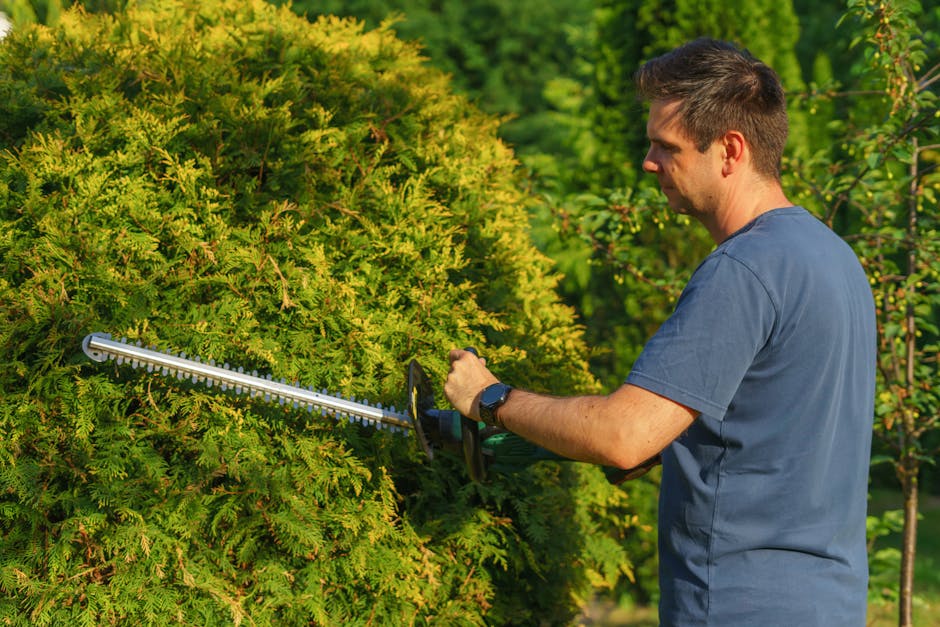
Hedge trimming can change the whole appearance of a property, especially where boundaries frame front gardens or screen side access. Our hedge trimming work focuses on keeping growth controlled, reducing uneven edges and restoring a more intentional outline. Depending on the hedge type and the season, the task may be light shaping or a more involved reduction to remove excess length and improve the overall form.
Different hedges respond differently to trimming, so the work needs a measured approach rather than a one-size-fits-all cut. Some hedges benefit from careful definition to preserve a formal shape, while others need more general reduction to stop them spreading into paths, drives or neighbouring areas. Read about hedge trimming if you want a dedicated page on that service and how it fits into wider garden care.
We can also incorporate hedge work into a broader maintenance visit when the rest of the garden needs attention at the same time. That can be useful where the hedge is part of a larger border scheme and the remaining tasks include clearing cuttings, tidying the base of the hedge and making sure the surrounding area is left in a sensible condition. It is usually better to treat the hedge as one part of a joined-up plan rather than as a separate cosmetic task with no relation to the rest of the garden.
Garden clearance for overgrown or cluttered spaces

Garden clearance is suited to spaces that have become difficult to manage because of overgrowth, accumulated debris or general neglect. This may involve removing unwanted growth, gathering loose materials, clearing dead plant matter and making the space easier to access again. The goal is to create a cleaner starting point, whether the garden is being prepared for regular maintenance, a refresh or a different layout altogether.
Clearance work can vary greatly from one property to another. Some gardens need only a modest cut-back and removal of surface waste, while others require more sustained work to reopen paths, define the edges of the space and separate healthy planting from material that is no longer wanted. Explore garden clearance for a service focused on this type of reset work. Where a garden contains items that need removing, it can also be useful to think about access for disposal and the order in which different areas should be tackled.
When asking for a quotation, it helps to mention the approximate size of the garden, whether the main issue is overgrowth or debris, and whether any bulky material needs to be carried through narrow access. Photos can be useful, but they are not the only way to describe the work; a concise written summary can also support an accurate discussion. If the garden has sections that should be left untouched, make that clear at the start so the plan reflects your priorities.
Landscape gardening and wider improvements

Landscape gardening can involve more considered changes than ordinary maintenance, especially where the aim is to improve the way the garden is arranged and used. This may include reshaping planting areas, defining borders, improving the relationship between lawn and hard surfaces, or introducing structure that makes the space easier to maintain. The work is often about balance: making the garden look more deliberate without turning it into something that feels overworked or impractical.
Where a garden needs a broader update, landscaping work can be combined with planting, ground preparation and the adjustment of existing features. A sensible plan usually begins with the current layout, the condition of the soil or surface, and the amount of ongoing upkeep the finished design should require. Look at landscape gardening for a service that suits more substantial garden changes. For customers considering a fuller transformation, it is often useful to decide which features are worth retaining before new work begins.
The most effective outdoor improvements are often the ones that fit the property naturally. A clearer path line, a better-shaped border or a tidier transition between lawn and planting can make the entire space easier to use, while keeping maintenance manageable. If you are planning a more ambitious update, see our landscaping service for the broader work that can sit alongside garden design, preparation and practical construction.
Decking and practical outdoor surfaces
Decking can provide a defined sitting area or a cleaner transition where the garden changes level or surface type. As part of our gardening services, decking work sits alongside the wider aim of improving how the garden functions, not just how it looks. It may be chosen to create a firmer standing area, add a feature near the house, or bring structure to an otherwise open layout. The exact scope depends on the space available and the intended use of the area.
Good decking work needs careful thought about positioning, access and the surrounding planting or paving. A deck that is too dominant can make a garden feel cramped, while a well-placed one can improve movement and give the space a more finished feel. Read about decking services if you want to see how this type of improvement fits into a broader garden plan. When discussing a project, it is worth noting whether the area is intended mainly for seating, circulation or visual structure.
Practical detail matters here because outdoor surfaces are expected to work in daily use, not simply look tidy on completion. The surrounding ground levels, drainage considerations and edge treatment all contribute to how successful the result feels in normal weather. That is why decking is best considered as part of the whole garden arrangement rather than as an isolated feature placed wherever there is space.
Tree work and clearing larger growth
Tree-related work is sometimes needed where branches, height or dense growth begin to dominate a garden. Our tree lopping and removal service can help when trees need reducing, clearing or taking out altogether as part of a wider outdoor maintenance plan. The work may be necessary to improve access, reduce crowding or support a more balanced garden layout. It can also be relevant when a tree is interfering with hedges, lawns or nearby planting.
The right approach depends on the tree, its position and the surrounding space. Some situations call for selective cutting, while others require a more complete removal because the tree no longer fits the garden or has become impractical to manage. Find out more about tree lopping and removal if this is the main issue in your garden. It is also wise to consider how the work will affect the rest of the site, especially where branches, roots or shade have influenced nearby growth.
Tree work can leave a garden looking very different, so it should be planned with the end result in mind. That includes what happens to the remaining open space, whether further clearance is needed, and how the area will be maintained afterwards. A tidy outcome is easier to achieve when the tree work is matched to a clear plan for the rest of the garden rather than treated as a standalone intervention.
How we plan a quotation and carry out the work
Every quotation is easier to prepare when the job is described in a clear, practical way. The most useful details are the type of work required, the size of the area, whether the garden is currently maintained or overgrown, and any limits on access or loading. If there are particular items you want kept, or certain sections you want cut back first, say so at the outset. That helps the work be priced and scheduled around the real task rather than a vague assumption.
Before a visit, it can help to provide a few photos and note any concerns about access, parking or shared spaces, especially where equipment needs to be moved through narrow side passages. If the garden has a mix of services in one visit, such as mowing, hedge work and clearance, a short list of priorities makes it easier to sequence the tasks sensibly. We keep the process straightforward so you know what is being done and why, without overcomplicating the discussion.
See pricing and quotes for a closer look at how quotations are approached, then send your details when you are ready. If you prefer to discuss the work first, that is fine too: the aim is simply to match the service to the garden and provide a clear next step.
About Crystal Palace
Crystal Palace is an area of south London known for its elevated position, varied streetscape and strong connection to the great nineteenth-century glass exhibition building that gave the district its name. The original Crystal Palace, relocated from Hyde Park after the Great Exhibition of 1851, stood on Sydenham Hill from 1854 until it was destroyed by fire in 1936. Although the building itself is gone, the district still carries traces of that history in its name, landmarks and public spaces. The area spans parts of several boroughs, including Bromley, Croydon, Lambeth, Southwark and Lewisham, which gives it a patchwork character rather than a single uniform town centre. Crystal Palace Park remains one of its best-known open spaces, originally landscaped in the mid-nineteenth century and still associated with the surviving dinosaur sculptures, wide avenues and the preserved subway structures near the park. The district’s higher ground offers extensive views across London, and the local streets mix Victorian and later housing with commercial frontages, small independent venues and community uses. The Crystal Palace Triangle is a familiar local focus, with shops, cafés and amenities clustered around the junction of Church Road, Westow Hill and Westow Street. Transport history also forms part of the area’s identity, with the former railway station and earlier routes reflecting its development as a destination as well as a neighbourhood. Today the place retains a lively, layered feel shaped by its architecture, parkland, history and the everyday life of a residential part of the capital.
Garden care that suits the property
Good garden work is usually the result of matching the task to the property rather than trying to impose a single pattern everywhere. A compact front garden, a mature rear plot and a more open shared exterior each call for different methods, different priorities and a different level of detail. That is why our gardening services are arranged around the actual condition of the site, with the aim of keeping the outcome sensible, neat and appropriate to the setting.
Supportive finishing touches can make a visible difference once the main work is done. Clearing cuttings, defining edges, removing dead material and tidying the route in and out of the garden all contribute to a result that feels properly completed. If you want to review the wider range of work we can help with, view the services overview for a broader outline. Our garden clearance, maintenance and hedge work can also be combined where that is the most efficient way to deal with the site.
To get started, you only need to identify the main job and the areas that matter most. A clear request is usually enough to move from planning to action, and it lets the quotation reflect the real scope rather than a guess. If the garden needs several different tasks, a careful priority order is often the best way to keep the work focused and manageable.