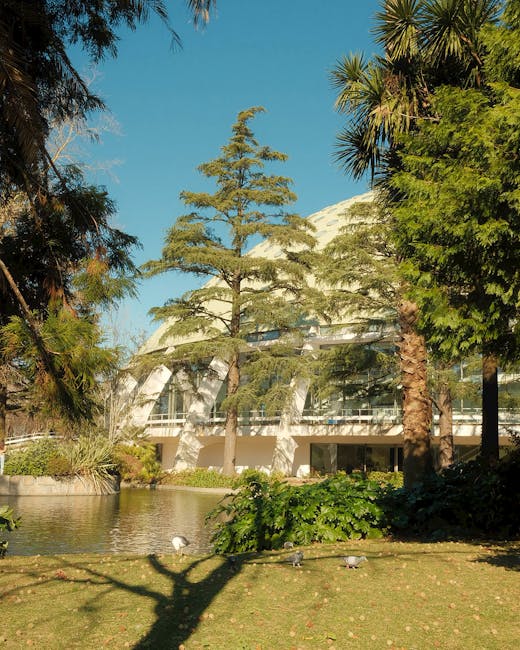
Crystal Palace Park garden maintenance case study
If you have ever looked at a large green space and wondered how it stays tidy, safe, and genuinely pleasant to use, you are asking the right question. A Crystal Palace Park garden maintenance case study is useful because it shows what garden care looks like in a busy public-facing setting: not just mowing and pruning, but planning, coordination, and consistent attention to detail. Parks and shared outdoor spaces do not look after themselves, sadly. They need rhythm, judgement, and a maintenance approach that fits the site.
In this guide, we unpack what a practical case study like this means, how maintenance work is typically organised, which decisions matter most, and what to watch out for if you are comparing providers or shaping your own maintenance plan. We will also cover best practice, compliance, and a few realistic examples from day-to-day garden upkeep in London. Nothing flashy. Just the stuff that actually helps.
For readers who want a wider overview of service options, it can help to start with the services overview and then come back to the detail here.
Table of Contents
- Why Crystal Palace Park garden maintenance case study Matters
- How Crystal Palace Park garden maintenance case study Works
- Key Benefits and Practical Advantages
- Who This Is For and When It Makes Sense
- Step-by-Step Guidance
- Expert Tips for Better Results
- Common Mistakes to Avoid
- Tools, Resources and Recommendations
- Law, Compliance, Standards, or Best Practice
- Options, Methods, or Comparison Table
- Case Study or Real-World Example
- Practical Checklist
- Conclusion
- Frequently Asked Questions
Why Crystal Palace Park garden maintenance case study Matters
A public park is not the same as a private garden, and that is the whole point. Crystal Palace Park has high footfall, mixed planting, open lawns, boundaries, paths, and seasonal pressure all at once. That means maintenance has to balance appearance, safety, durability, and access. A good maintenance case study shows how those priorities come together in real life rather than in theory.
Why does that matter to you? Because many garden owners, landlords, and site managers face similar issues on a smaller scale. The problems are familiar: edges disappear, beds look tired, hedges grow unevenly, litter collects, and suddenly the whole site feels neglected. A structured maintenance plan prevents that slow slide. Truth be told, most outdoor spaces do not fail in one dramatic moment. They drift.
Another reason this topic matters is trust. When people use a park, they notice details quickly: overgrown pathways, dead patches of grass, broken seasonal displays, slippery surfaces after rain, or bins that are not emptied often enough. Reliable maintenance helps the site feel cared for. It quietly shapes how people experience the space, even if they never think about the work behind it.
For service buyers, a case study is also a decision-making tool. It helps answer practical questions like: How often should maintenance happen? Which tasks are essential versus nice-to-have? How do you handle seasonal changes? And how do you judge whether a contractor is actually doing the job properly?
How Crystal Palace Park garden maintenance case study Works
At its core, a garden maintenance case study follows a simple process: assess the site, define the work, carry it out consistently, review the results, and adjust as needed. The details, however, are where the value sits. A site like Crystal Palace Park needs a maintenance routine that is flexible enough to respond to weather and growth, but disciplined enough to keep standards steady.
The work usually begins with a site walk-through. This is where the maintenance team identifies what needs regular attention and what needs one-off intervention. For example, lawns may need routine cutting, but shrub beds may need selective pruning, weed removal, mulching, and occasional replanting. Paths and borders may need edging so the whole site looks crisp rather than blurred around the edges. That edge detail sounds minor, but you notice it immediately when it is missing.
From there, the work is typically grouped into recurring tasks and seasonal tasks.
- Recurring tasks: grass cutting, litter pick-up, edging, pruning small growth, weed control, and tidying of beds and borders.
- Seasonal tasks: leaf clearance, planting, deadheading, soil improvement, hedge reduction, and cut-back work.
- Responsive tasks: storm damage clearance, broken branch removal, pest or disease checks, and safety-related interventions.
A strong case study also shows how the team responds to use patterns. A public space on a sunny weekend will accumulate more debris than a quiet weekday. A wet spell can change access, increase slippery patches, and delay mowing. So the maintenance schedule cannot be rigid in the wrong way. It needs structure, yes, but not a dead hand. A little flexibility goes a long way.
Many professional teams also work to a reporting rhythm. That may mean short notes after visits, photographs of completed work, or issue logs for follow-up. This is especially useful for larger or shared sites because it creates continuity. If you are comparing providers, you can learn more about practical service standards and support on the about us page and the health and safety policy page.
Key Benefits and Practical Advantages
The benefits of structured garden maintenance are easy to see, but the deeper value is often overlooked. A neat park or garden is not just prettier; it is easier to manage, safer to use, and cheaper to recover if something goes wrong. That is the practical truth behind a good maintenance plan.
1. Better presentation
Regular cutting, pruning, and tidying keep the site looking intentional rather than unmanaged. For public spaces, that matters because presentation influences how safe and welcoming the area feels.
2. Healthier planting
Plants do better when they are not left to compete with weeds, overcrowded growth, or exhausted soil. A little ongoing care prevents the nasty cycle where everything becomes harder to fix later.
3. Lower long-term disruption
Preventative maintenance is usually less disruptive than reactive repair. Cutting back growth earlier often means less severe work later. Same goes for clearing leaf build-up before it turns into a soggy mat.
4. Safer pathways and boundaries
In a high-use park, visibility matters. Overgrown edges, low branches, hidden debris, and slippery surfaces can all become avoidable hazards. Good maintenance reduces those risks.
5. Easier budgeting
When work is planned and repetitive, costs are usually easier to forecast. That makes life simpler for anyone managing an estate, a communal site, or a commercial outdoor area. If budget planning is part of your decision, it is worth reviewing pricing and quotes so expectations are clear from the start.
6. Better user experience
People linger in places that feel cared for. Simple as that. If benches are clear, beds are tidy, and grass is well kept, people tend to stay longer and treat the space with more respect.
Expert summary: The real value of a garden maintenance case study is not just the list of tasks completed. It is the pattern of care behind them: regular observation, sensible timing, and work that keeps the site looking good without creating avoidable churn.
Who This Is For and When It Makes Sense
This kind of maintenance approach is relevant to a wider group than you might first think. It is not only for parks or large estates. Many smaller properties face the same maintenance challenges, just compressed into a tighter footprint.
You may need a similar approach if you manage any of the following:
- public gardens or park-adjacent landscapes
- community green spaces
- school grounds or shared outdoor areas
- commercial premises with planted frontage
- residential blocks or managed estates
- private gardens that have become difficult to keep under control
It makes sense when the site needs consistency more than occasional heroics. You know the type of situation: the lawn is fine for a few weeks, then suddenly not fine at all; the hedges look okay from a distance, but up close they are messy; the beds need someone who will notice small changes before they become expensive problems.
It also makes sense when people use the space regularly. High use means high visibility, and high visibility means small maintenance lapses become obvious quickly. If your outdoor space is part of someone's daily routine, even a small improvement can have a surprisingly big effect.
To keep the service relationship smooth, many clients also look at operational pages such as insurance and safety and terms and conditions. Not glamorous, but very sensible.
Step-by-Step Guidance
If you are planning garden maintenance for a site like Crystal Palace Park, or building a comparable routine for your own grounds, here is a practical way to think about it.
1. Start with a proper site review
Walk the site at a pace that lets you notice detail. Look at lawn condition, bed structure, access points, drainage, litter hotspots, and any places where growth is likely to hide problems. If it is a rainy morning, even better. Wet conditions reveal issues that a sunny day might disguise.
2. Separate essential tasks from cosmetic tasks
Not all maintenance is equal. Some work is about appearance. Some is about plant health. Some is about safety. Prioritise the tasks that protect the site first, then schedule the cosmetic work around them. This avoids spending time making one area look pretty while another area quietly causes trouble.
3. Set a maintenance frequency that fits growth rates
Grass and hedges do not grow to a calendar. They respond to weather, shade, soil, and season. A shaded bed can be easy one month and wild the next. Build your schedule around what the site actually does, not what the brochure says it should do.
4. Plan the seasonal jobs early
Leaf clearance, deadheading, replanting, mulching, and cutting back often go better when planned before they become urgent. If you leave seasonal work too late, it becomes heavier, messier, and more expensive. A bit of forward planning saves a lot of grief. Honestly, it does.
5. Put inspection into the routine
Maintenance is not only about action. It is also about noticing. Check for disease, broken edging, loose fixtures, waterlogging, and signs of compaction or wear. If you catch a problem early, you usually have more options. That is the difference between a tidy intervention and a mini crisis.
6. Record what was done
Good records help both sides. The client knows what has been completed, and the contractor can track patterns over time. If certain beds always need extra attention or one area keeps trapping litter, that data becomes useful very quickly.
7. Review the results after a cycle or two
After a few visits, ask a simple question: is the schedule actually working? Sometimes the answer is yes, sometimes no, and sometimes the plan was fine but the site changed. Parks and gardens are living systems, not fixed assets. Slightly frustrating, but also what makes them interesting.
Expert Tips for Better Results
In our experience, the best maintenance results come from small habits done well, not heroic one-off efforts. A few practical tips make a big difference.
- Keep the edges sharp. Clean edging is one of the quickest ways to make a site look properly maintained.
- Do not over-prune. Heavy cutting can stress plants and leave beds bare longer than necessary.
- Match the timing to the weather. A damp week, a dry spell, or a sudden frost can change the best order of work.
- Use mulching strategically. It can suppress weeds, improve soil moisture retention, and make beds look finished.
- Watch the first and last ten metres of a site. Entrances and exits shape first impressions, so keep them especially tidy.
- Keep communication simple. A short note saying what was done and what needs attention later is often more useful than a long report nobody reads.
A small human note here: people often focus on the big visible jobs and ignore the little ones that make everything feel cared for. Then one day the site just looks "off" and nobody can quite say why. Usually it is the accumulation of tiny things. Bit by bit, they matter.
If sustainability is part of your brief, it may also help to review the approach to recycling and sustainability. A thoughtful maintenance plan should respect green waste handling and avoid wasteful practice where possible.
Common Mistakes to Avoid
Garden maintenance sounds straightforward until the site starts fighting back. These are the mistakes that tend to cause trouble most often.
Leaving work until the site looks obviously neglected
This is the classic trap. By the time overgrowth is visible to everyone, the job has already become harder. Regular maintenance is cheaper and calmer than dramatic catch-up work.
Ignoring access and traffic patterns
If people keep walking across a worn patch, it is not enough to keep reseeding it and hoping for the best. The maintenance plan needs to respond to actual use.
Using one schedule for every area
Sunny borders, shaded areas, lawn edges, and high-footfall paths all behave differently. A one-size-fits-all approach usually misses something important.
Cutting too much at once
Severe pruning or mowing can leave bare patches, stress the planting, and create more cleanup than expected. A measured approach usually performs better in the medium term.
Failing to check safety-related details
Loose branches, hidden obstacles, slippery debris, or blocked access points can create avoidable risk. It only takes one missed issue to spoil an otherwise tidy visit.
Not agreeing expectations early
Some disputes come from poor communication, not poor work. If everyone has different ideas of what "maintained" means, the result is confusion. Better to define the standard clearly at the outset.
If you are choosing a contractor, it is sensible to ask how they handle complaints, billing, and service expectations. Those details are often boring right up until they are very important. The relevant support pages, including the complaints procedure and payment and security, are worth checking before work begins.
Tools, Resources and Recommendations
A good maintenance plan is only as effective as the tools and processes behind it. You do not need a warehouse full of equipment, but you do need the right kit for the site.
| Need | Typical tool or resource | Why it helps |
|---|---|---|
| Lawn care | Mower, trimmer, edging tools | Creates neat presentation and controls growth |
| Bed maintenance | Hand tools, cultivators, mulch | Keeps planting healthy and reduces weed pressure |
| Pruning | Secateurs, loppers, saws | Allows clean cuts and safer shaping |
| Waste handling | Collection sacks, barrows, recycling system | Speeds up clearance and supports responsible disposal |
| Site inspection | Checklist, notes, camera for records | Helps track issues and improvements over time |
For practical planning, it also helps to think in systems rather than individual tools. For example, a mower is useful, but a mowing plan is more useful. A secateur is helpful, but a pruning schedule is what keeps the place tidy all year.
Useful resources to check before booking or commissioning work include:
- service scope and maintenance options
- pricing guidance and quote process
- company background and service approach
- contact details for next-step enquiries
That combination gives you a better sense of fit than a quick glance at a homepage ever will. Let's face it, the brochure version is never the whole story.
Law, Compliance, Standards, or Best Practice
Garden maintenance often sits in the practical middle ground between aesthetics and operational responsibility. In a public or managed setting, you need to think about safety, access, worker competence, and responsible handling of materials. The exact obligations depend on the site and the arrangement in place, so it is wise to check the details carefully rather than assume.
In the UK, common best-practice expectations include sensible risk assessment, clear communication, safe use of equipment, and proper management of waste and site access. For public-facing spaces, you also want to think about how maintenance work affects visitors, whether paths remain usable, and whether any temporary hazards are clearly controlled.
Good contractors usually have a clear internal approach to these matters. That is why pages such as health and safety policy, insurance and safety, and accessibility statement can be useful signals when you are assessing professionalism and care.
It is also sensible to pay attention to environmental practice. Responsible disposal, reduced waste, and sensible material use all matter. Not because everything has to be perfect, but because good habits add up. A lot.
If a site has public access, the work should be planned so that obvious hazards are controlled. That may mean timing noisy or disruptive tasks carefully, keeping tools out of walkways, and leaving surfaces safe and tidy at the end of the visit. Basic, yes. But basic done well is often what people remember.
Options, Methods, or Comparison Table
Different maintenance models suit different sites. Here is a straightforward comparison to help you decide what is likely to work best.
| Method | Best for | Strengths | Limitations |
|---|---|---|---|
| Reactive maintenance | Very low-use spaces or one-off fixes | Simple to arrange, low commitment | Problems build up between visits |
| Scheduled routine maintenance | Most gardens, estates, and parks | Predictable, tidy, easier to budget | Needs discipline and regular review |
| Seasonal maintenance blocks | Sites with clear spring/autumn pressure | Good for leaf fall, planting, cut-back work | Less effective for fast-growing summer areas |
| Hybrid maintenance | Larger or mixed-use sites | Flexible and tailored | Requires careful coordination |
For a place like Crystal Palace Park, or any comparable public green space, a hybrid or scheduled routine is usually the most realistic approach. Purely reactive care tends to be too slow. You end up chasing the site instead of managing it.
In smaller private gardens, the right choice may be a simpler routine with seasonal support. That is often enough if the planting is stable and access is straightforward. But if the garden has mature shrubs, uneven terrain, or a lot of shade, a slightly more involved plan usually pays off.
Case Study or Real-World Example
To keep this grounded, here is a realistic example of what a Crystal Palace Park garden maintenance case study might look like in practice, without pretending to be a fixed or official record.
Imagine a section of parkland with lawns, perimeter planting, shrub borders, and several pedestrian routes. At the start of the season, the site looks decent enough, but there are clear pressure points: grass edges have softened, weeds are pushing through in a few beds, and leaf debris has collected where foot traffic slows near a path bend. Nothing dramatic. Just enough to make the area feel a little tired.
The maintenance plan begins with a full tidy-up visit. Grass is cut, edges are sharpened, beds are cleared, and litter is removed. A few shrubs are selectively pruned to restore shape, not hacked back. The team notes one shaded border that stays damp for longer than expected, which explains why the weed pressure is stronger there. That small observation matters because it changes how the next visits are planned.
Over the next cycle, the work becomes more routine. Lawns are maintained on a regular schedule, edges are kept defined, and seasonal checks are used to catch small issues early. The site starts to look better, but more importantly, it becomes easier to keep in good condition. That is the hidden win. Once a garden falls into a manageable rhythm, the work stops feeling like rescue and starts feeling like care.
There is also a simple human effect. People are more likely to respect a space that looks watched over. You can see it in small ways: fewer stray items left on the ground, more people using the paths correctly, less tension around access points. It is not magic. Just good maintenance doing its quiet job.
Practical Checklist
Use this checklist if you are planning maintenance for a public or private outdoor site and want to stay organised from the start.
- Walk the site and note all problem areas
- Separate safety-critical work from cosmetic tidy-ups
- Set a realistic maintenance frequency
- Identify seasonal tasks before they become urgent
- Check access routes and likely use patterns
- Confirm how waste will be collected and removed
- Agree reporting or update frequency
- Review insurance, safety, and service terms
- Ask how changes or issues will be handled
- Reassess the plan after the first few visits
If you want to be extra thorough, also ask about documentation, sustainability, and how the team handles unexpected weather. Those little questions tell you a lot about how a provider actually works.
Conclusion
A Crystal Palace Park garden maintenance case study is really a lesson in consistency, judgement, and practical care. Whether you are looking after a public park, a managed estate, or a demanding private garden, the same principle applies: maintenance works best when it is regular, site-specific, and honest about what the space needs.
The big picture is simple. Keep the site safe, keep it tidy, keep it growing well, and do not let small issues become expensive ones. That is the kind of approach that makes outdoor spaces feel calm and usable, even on busy days when the weather changes twice before lunch.
Get a free quote today and see how much you can save.
If you are ready to move from ideas to action, a sensible next step is to review the service options, check the support pages, and speak with a team that understands both the visible work and the quieter details behind it. A well-kept garden has a way of paying people back in everyday comfort, and honestly, that is no small thing.
Frequently Asked Questions
What is a Crystal Palace Park garden maintenance case study?
It is a practical example of how garden and park maintenance is planned, delivered, and reviewed in a real-world setting. The aim is to show what works, why it works, and what results you can expect from a structured maintenance approach.
Why is regular maintenance better than occasional tidy-ups?
Regular maintenance keeps growth, litter, and wear under control before they become bigger issues. Occasional tidy-ups can help in the short term, but they usually leave more work for later and cost more to catch up.
How often should a park or garden be maintained?
That depends on use, planting type, and the season. Busy public spaces usually need more frequent attention than a quiet private garden. The best schedule is the one that matches the site's actual growth and traffic patterns.
What tasks are usually included in garden maintenance?
Common tasks include lawn cutting, edging, pruning, weeding, litter clearance, deadheading, leaf removal, and general tidying. Some sites also need seasonal planting, mulching, and occasional reactive work.
How do I know if a maintenance plan is working?
You should see fewer problem areas, better presentation, healthier planting, and less need for urgent intervention. If the site keeps slipping into the same mess, the schedule probably needs adjusting.
What are the biggest mistakes people make with outdoor maintenance?
The most common mistakes are leaving work too long, using the same schedule for every area, over-pruning, and not checking safety-related details. Poor communication about expectations is another big one.
Is garden maintenance different for public spaces and private gardens?
Yes. Public spaces usually need stronger attention to safety, access, footfall, and presentation because more people use them and notice issues quickly. Private gardens can be simpler, but they still need a plan if they are large or heavily planted.
Do I need a formal quote before booking maintenance?
It is usually a very good idea. A quote helps clarify scope, frequency, expectations, and pricing before work starts. It also avoids misunderstandings later on.
What should I check before hiring a garden maintenance provider?
Look at service scope, insurance, safety procedures, complaints handling, and how they communicate updates. It also helps to understand their approach to pricing and whether they are clear about what is included.
Can sustainable practices be part of garden maintenance?
Yes. Responsible waste handling, thoughtful material use, and sensible upkeep routines all support a more sustainable approach. It does not have to be complicated to be effective.
How do seasonal changes affect maintenance planning?
Seasonal changes influence growth rates, leaf fall, pruning needs, and soil conditions. A good plan adjusts through the year rather than staying fixed no matter what the weather does.
What is the next step if I want help with my own site?
The best next step is to review the available services, check the support and policy pages, and ask for a quote based on your site's actual needs. That gives you a clearer picture of what is realistic and what is optional.